
HUM data lab HUMAL
The HUM Data Lab helps humanities scholars learn from the experiences of others and manage, analyze, and share their research process. We connect data sources and tools to make research faster, more transparent, and internationally visible. Our solutions are based on open standards and the needs of real researchers.
The team of researchers in the lab describes their work process in such a way that the research is accessible and reproducible to everyone else using open science methods. The centerpiece of the lab is a collection of use cases described by researchers, which provides an overview of the working methods of digital humanities and the choices made during the work.
Contact us
Do you have any questions about the lab? Or would you like to join us in developing the lab?
We will answer you as soon as possible.
Lab board



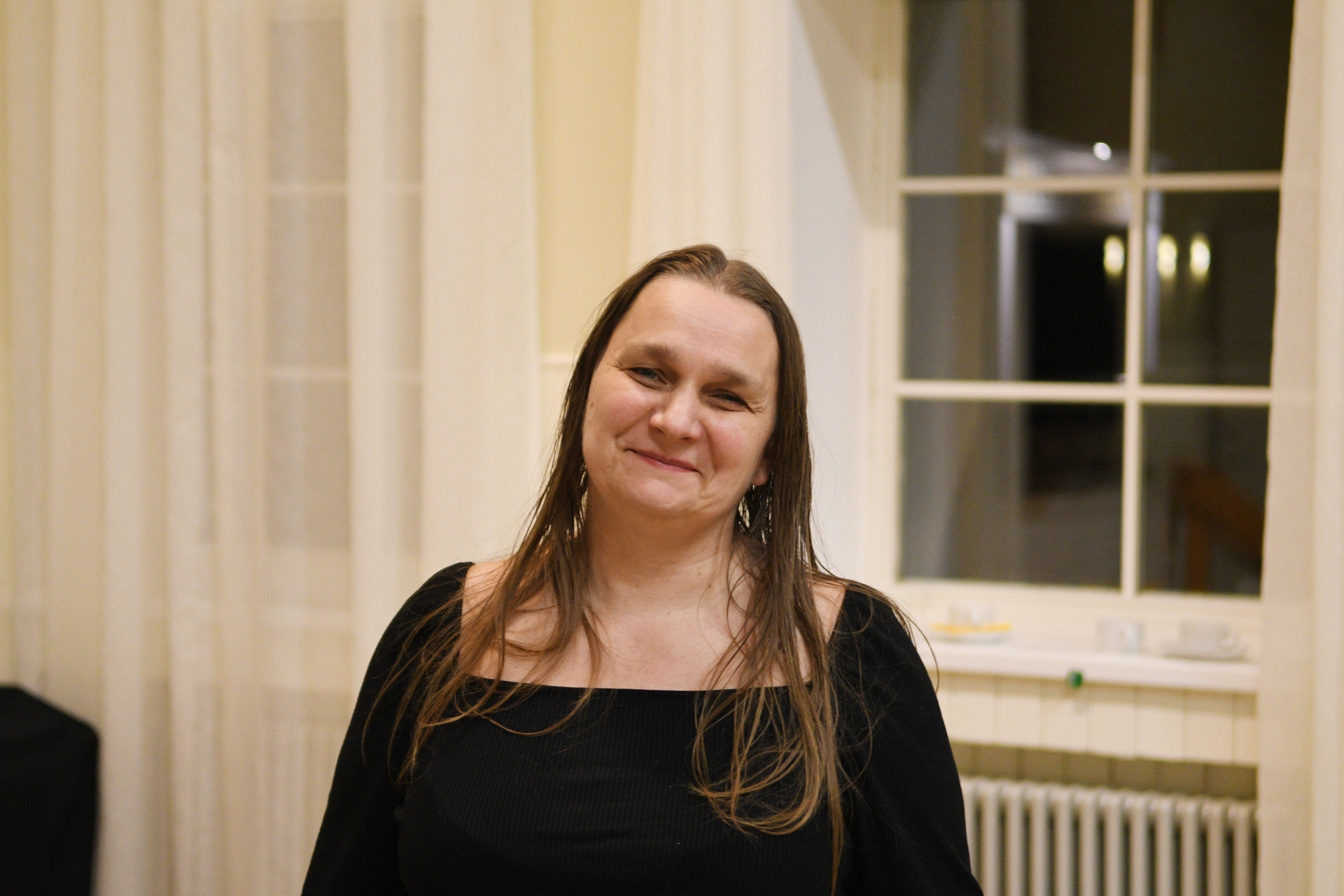
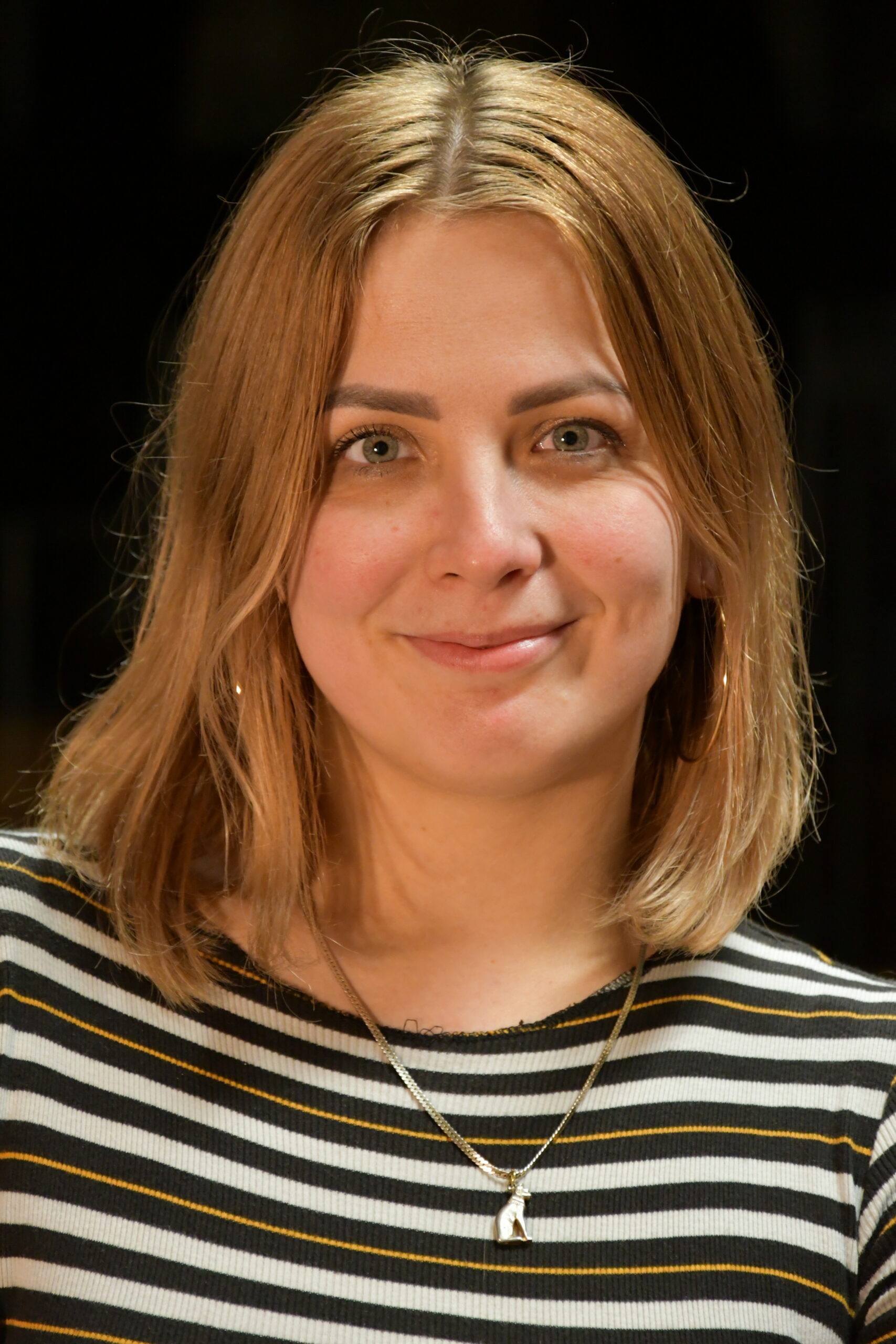
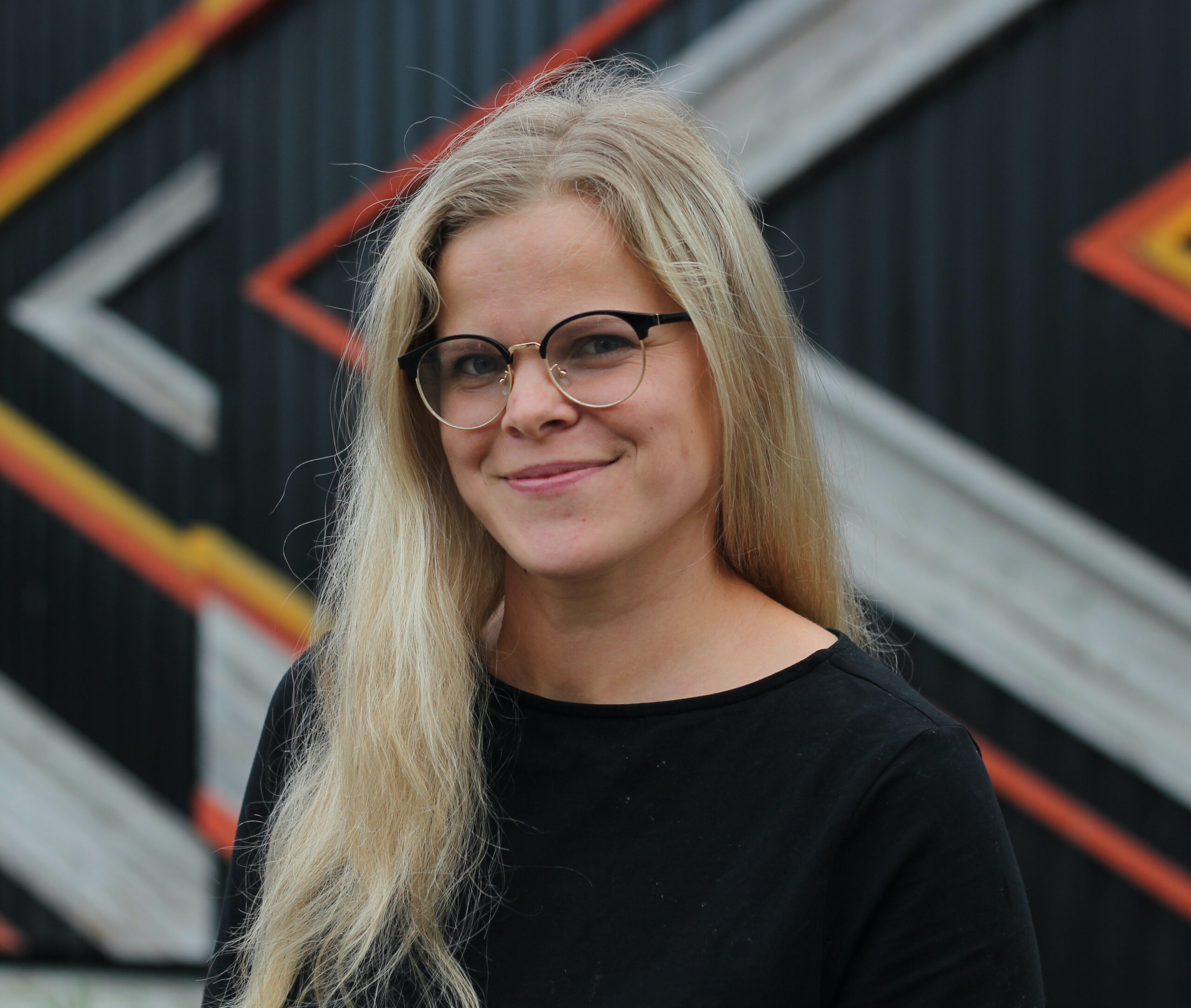
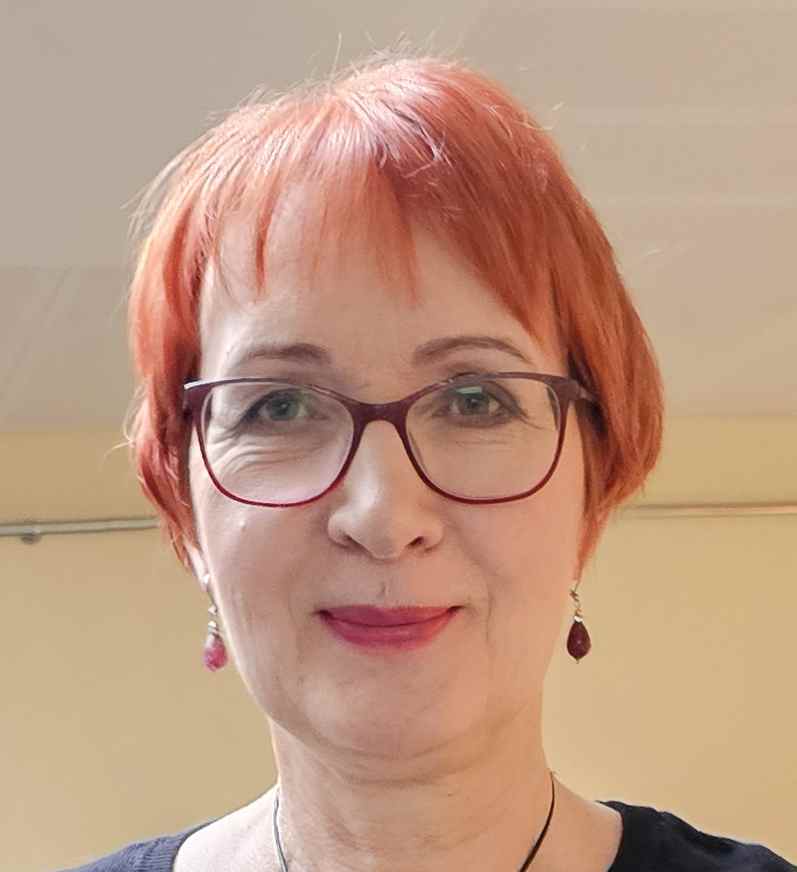
Lab researchers







Hum data lab timeline
EARLY 2026
First workflows are available
HUMAL researchers document their work process and make the first use cases publicly available and reproducible
2026
Target audience: students and doctoral candidates
The collection of laboratory use cases is expanding, and we are particularly guided by the needs of students and doctoral candidates when describing the cases.
2027
Target audience: Humanities scholars
The lab includes a large number of use cases, the benefits of which we will demonstrate this year primarily to (humanities) researchers in planning and conducting research.
2028
Target group: Representatives of the creative industry
A growing collection of use cases offers opportunities for creative approaches to cultural data and humanities methods
2029
Target group: pupils
The use cases described in the lab also help school students and teachers